Mobile Gaming Market Share to Exceed 60% in US by End of 2026: A Deep Dive

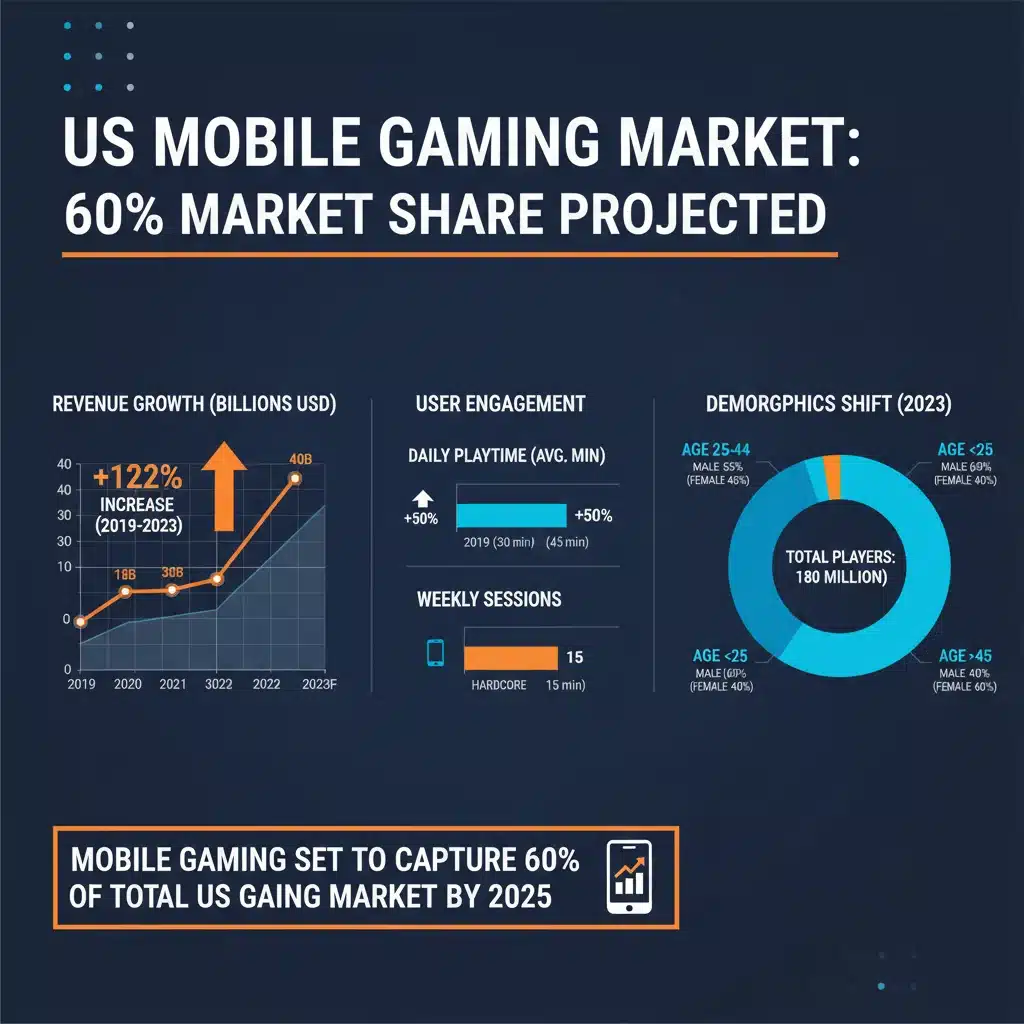
The landscape of entertainment is constantly evolving, and few sectors exemplify this dynamic shift more vividly than the gaming industry. For years, console and PC gaming held the undisputed crowns, but a quiet revolution has been brewing, largely unseen by those outside the immediate sphere. This revolution is powered by the ubiquitous smartphone, and it’s set to culminate in a monumental shift in market dominance. Recent reports and expert analyses paint a clear picture: the US mobile gaming market is not just growing; it’s exploding, with projections indicating it will command over 60% of the entire US gaming market by the end of 2026. This isn’t merely a statistic; it’s a profound redefinition of how and where Americans play games, impacting everything from game development and marketing strategies to consumer habits and technological infrastructure.
This comprehensive article will delve deep into the factors propelling this unprecedented growth in US mobile gaming. We will explore the technological advancements that have made sophisticated gaming experiences accessible on pocket-sized devices, the demographic shifts that have broadened the appeal of mobile titles, and the innovative business models that have unlocked new revenue streams. Furthermore, we will analyze the implications of this market dominance for game developers, publishers, advertisers, and, most importantly, the players themselves. Understanding this seismic shift is crucial for anyone involved in or interested in the future of entertainment.
The Unstoppable Rise of Mobile Gaming in the US
For context, consider that just a decade ago, mobile gaming was often dismissed as a casual pastime, dominated by simple puzzle games and endless runners. While these genres still thrive, the evolution has been staggering. Today’s mobile games boast console-quality graphics, complex narratives, deep multiplayer experiences, and innovative augmented reality (AR) integrations. This technological leap has been a primary catalyst for the burgeoning US mobile gaming market. Powerful smartphone processors, high-resolution displays, and improved battery life have transformed mobile devices into legitimate gaming platforms, capable of delivering experiences that rival traditional gaming systems.
Beyond hardware, software innovation has played an equally critical role. Game engines like Unity and Unreal Engine have been optimized for mobile, allowing developers to create stunning visuals and intricate gameplay mechanics. The rise of cloud gaming services is also beginning to blur the lines further, enabling even more graphically intensive titles to be streamed to mobile devices, thereby expanding the potential audience and game offerings. This continuous cycle of technological advancement ensures that the ceiling for mobile gaming excellence continues to rise, attracting more players and solidifying its position within the broader gaming ecosystem.
Demographic Shifts and Accessibility: Widening the Player Base
One of the most significant drivers behind the US mobile gaming surge is its unparalleled accessibility. Unlike consoles or high-end PCs, which represent a considerable upfront investment, smartphones are already ubiquitous. Nearly every American adult owns a smartphone, making the barrier to entry for mobile gaming virtually non-existent. This inherent accessibility has dramatically expanded the demographic reach of gaming, attracting players who might never have considered themselves ‘gamers’ in the traditional sense.
The player base for mobile games is incredibly diverse, spanning all age groups, genders, and socioeconomic backgrounds. Women, for instance, constitute a significant portion of mobile gamers, often engaging with genres like puzzle, simulation, and casual strategy games. Older demographics, too, have embraced mobile gaming as a convenient and engaging form of entertainment. This broad appeal means that game developers have a vast and varied audience to cater to, fostering a rich ecosystem of diverse titles. The sheer volume of potential players directly translates into higher engagement and, consequently, a larger market share.
Monetization Models: Fueling the Ecosystem
The evolution of monetization strategies has been another cornerstone of the US mobile gaming boom. While premium, paid games exist, the free-to-play (F2P) model, often coupled with in-app purchases (IAPs) and advertising, has become the dominant paradigm. This model allows players to download and experience games without an initial financial commitment, lowering the entry barrier even further. Once engaged, players can choose to spend money on cosmetic items, power-ups, extra lives, or to remove ads, often at their discretion.
This F2P model has proven incredibly effective, turning a small percentage of highly engaged ‘whales’ into significant revenue generators, while still providing entertainment for millions of casual players. The sophistication of IAP implementation has also improved, with developers focusing on fair and value-driven transactions rather than predatory tactics. Furthermore, in-game advertising, whether through interstitial ads, rewarded video ads, or playable ads, contributes substantially to developer revenue, allowing for continuous free content updates and further investment in game quality. This robust and diversified monetization framework ensures the financial viability and sustained growth of the US mobile gaming sector.
The Role of Hyper-Casual and Mid-Core Games
The mobile gaming market can be broadly segmented, with hyper-casual and mid-core games playing pivotal roles in its expansion. Hyper-casual games, characterized by their simple mechanics, instant gratification, and short play sessions, are perfect for quick breaks and have an extremely wide appeal. They are highly addictive and often monetize through advertising, reaching a massive audience and serving as an entry point for many new gamers. Their rapid development cycles also allow for quick adaptation to trends and continuous innovation.
Mid-core games, on the other hand, offer more depth and complexity than hyper-casual titles but are less demanding than traditional hardcore games. These often include RPGs, strategy games, and action titles that provide engaging gameplay loops, progression systems, and social features. Games like Genshin Impact, Call of Duty Mobile, and Pokémon GO exemplify the success of mid-core titles, attracting dedicated player bases and generating substantial revenue through IAPs. The balance between accessibility and depth in these categories is crucial for capturing and retaining a diverse player audience within the US mobile gaming landscape.
Technological Innovations Driving the Future
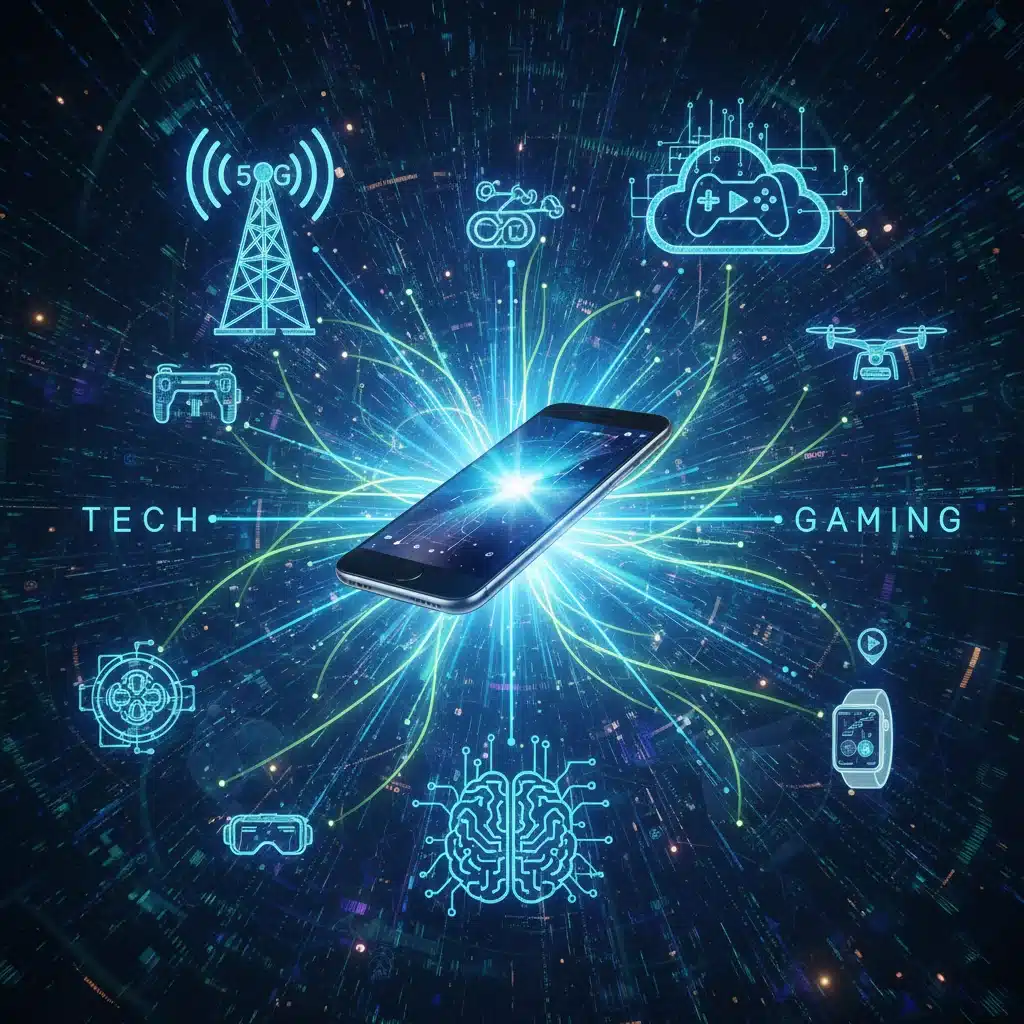
The projected market share exceeding 60% by 2026 is not just based on current trends but also on anticipated technological advancements. Key among these are 5G connectivity, improvements in smartphone hardware, and the continued integration of artificial intelligence (AI) and augmented reality (AR).
5G networks promise significantly lower latency and much faster download/upload speeds. For mobile gaming, this translates into smoother online multiplayer experiences, quicker content updates, and the ability to stream high-fidelity games from the cloud with minimal lag. This will effectively bridge the performance gap between mobile and traditional gaming platforms, making the US mobile gaming experience even more seamless and immersive.
Furthermore, smartphone manufacturers continue to push the boundaries of mobile hardware. Dedicated gaming phones with advanced cooling systems, higher refresh rate screens, and specialized haptic feedback are becoming more common. These innovations cater specifically to the growing demand for high-performance mobile gaming, ensuring that the devices themselves are capable of delivering cutting-edge experiences. The continuous miniaturization of powerful components means that even standard flagship phones will soon offer console-level performance in a pocket-sized form factor.
AI and AR: Enhancing Immersion and Engagement
Artificial intelligence is already being utilized in mobile games for smarter NPCs, adaptive difficulty, and personalized content recommendations. As AI technology advances, we can expect even more sophisticated in-game experiences, with dynamic worlds that react to player choices and AI companions that learn and evolve. This will add layers of depth and replayability that were previously unimaginable on mobile platforms, further cementing the appeal of US mobile gaming.
Augmented reality (AR) has already shown its potential with titles like Pokémon GO, which captivated millions by overlaying digital content onto the real world. As AR technology becomes more refined and integrated into everyday devices, we can anticipate a new wave of innovative AR games that blend physical and digital play in exciting ways. Imagine interactive games played on your coffee table or city-wide scavenger hunts that leverage AR to reveal hidden clues. These immersive experiences will undoubtedly attract new players and deepen the engagement of existing ones, contributing significantly to the projected market share.
Esports and Social Integration: Building Communities
The rise of mobile esports is another powerful indicator of the growing maturity and competitiveness of the US mobile gaming market. Games like Call of Duty Mobile, PUBG Mobile, and Mobile Legends: Bang Bang have established thriving competitive scenes with professional players, organized tournaments, and significant prize pools. This elevates mobile gaming from a casual pastime to a legitimate competitive sport, attracting serious players and viewers alike. The accessibility of mobile devices means that a much larger pool of potential esports athletes can participate, further democratizing competitive gaming.
Social features are also paramount to mobile gaming success. Many popular titles integrate deeply with social media platforms, allowing players to connect with friends, share achievements, and compete on leaderboards. In-game guilds, chat functions, and cooperative multiplayer modes foster strong communities, increasing player retention and engagement. The social aspect transforms gaming from a solitary activity into a shared experience, which is a powerful driver for sustained growth and cultural relevance, particularly within the US mobile gaming demographic.
Challenges and Opportunities for Developers
While the outlook is overwhelmingly positive, the rapid expansion of the US mobile gaming market also presents challenges for developers. The sheer volume of new games released daily means discoverability is a major hurdle. Marketing and user acquisition strategies are more critical than ever, requiring significant investment and creativity to stand out in a crowded marketplace.
Furthermore, maintaining player engagement over time is crucial. The F2P model relies heavily on consistent content updates, seasonal events, and community management to keep players invested. Developers must continuously innovate and respond to player feedback to ensure their games remain fresh and appealing. However, these challenges also present immense opportunities. The large and diverse audience means that well-executed, innovative games can achieve massive success, reaching millions of players and generating substantial revenue. The lower barrier to entry for development (compared to console or PC titles) also allows independent developers and smaller studios to compete, fostering a vibrant and innovative ecosystem.
The Economic Impact and Future Outlook
The projected market share of over 60% for US mobile gaming by 2026 signifies a massive economic impact. This growth fuels not only the game development sector but also surrounding industries such as advertising, marketing, analytics, and hardware manufacturing. It creates jobs, stimulates technological innovation, and generates significant revenue that can be reinvested into further advancements.
For investors, the mobile gaming sector represents a high-growth area with proven resilience and adaptability. Companies that can consistently deliver compelling experiences, adapt to changing player preferences, and master effective monetization strategies are poised for significant returns. The continued evolution of mobile technology, coupled with an ever-expanding and increasingly diverse player base, ensures that the future of US mobile gaming is bright and dynamic.
In conclusion, the shift towards mobile gaming dominance in the US is not a fleeting trend but a fundamental transformation of the entertainment industry. Driven by technological prowess, widespread accessibility, innovative business models, and a burgeoning social and esports scene, mobile gaming is set to become the primary mode of interactive entertainment for the majority of Americans. By the end of 2026, when mobile gaming proudly claims over 60% of the market, it will not only be a testament to its incredible journey but also a clear signal of where the future of play truly lies.