EdTech Trends 2026: Revolutionizing US Education
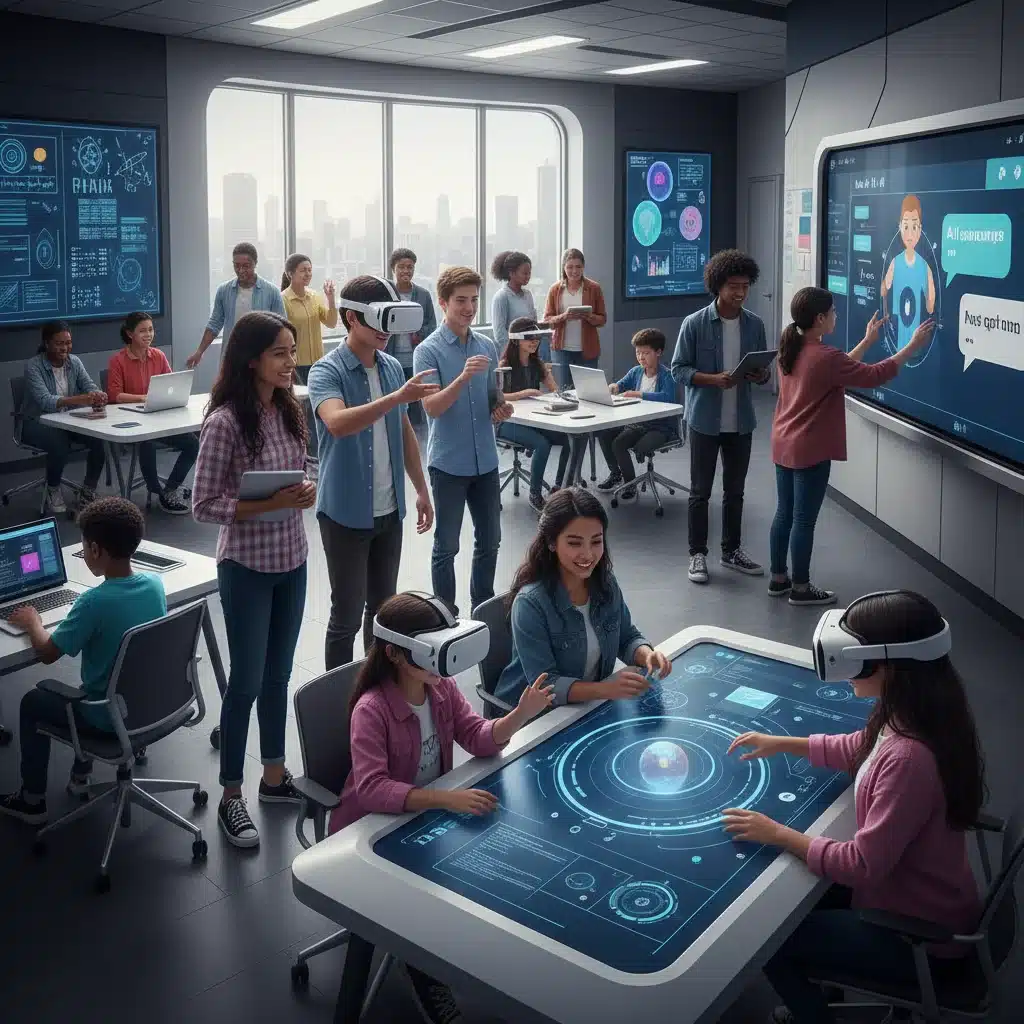
The landscape of education is in a constant state of evolution, driven by pedagogical advancements, societal needs, and, most significantly, technological innovation. As we cast our gaze towards 2026, the United States educational system stands on the precipice of a profound transformation, spearheaded by groundbreaking EdTech trends. These aren’t mere incremental changes; they represent a fundamental rethinking of how students learn, how educators teach, and how educational institutions operate. The integration of cutting-edge technologies promises to unlock unprecedented opportunities for personalized learning, immersive experiences, and data-driven insights, ultimately shaping a more effective, equitable, and engaging educational future for all US students and educators.
Understanding these emerging EdTech Trends 2026 is not just about staying current; it’s about proactively preparing for the future. For school administrators, it means strategic planning for infrastructure and professional development. For teachers, it signifies new tools and methodologies to enhance their craft. For students, it promises more dynamic and relevant learning pathways. This comprehensive exploration will delve into the five most impactful EdTech trends poised to redefine US education by 2026, examining their potential, challenges, and the actionable steps stakeholders can take to harness their power.
The AI Revolution in Personalized Learning
Artificial intelligence (AI) is no longer a futuristic concept; it’s a present-day reality rapidly integrating into various sectors, and education is no exception. By 2026, AI is expected to be a cornerstone of personalized learning in US schools. This trend moves beyond simple adaptive quizzes to sophisticated AI algorithms that can analyze a student’s learning patterns, strengths, weaknesses, and even emotional states to deliver truly individualized educational experiences.
How AI Transforms the Learning Experience
- Adaptive Learning Platforms: AI-powered platforms will continuously assess student performance, adjusting the curriculum’s pace and content in real-time. This ensures that students are always challenged appropriately, preventing boredom for advanced learners and providing necessary support for those who struggle. Imagine an AI tutor that knows exactly when to offer a hint, when to provide a deeper explanation, or when to suggest a different approach to a concept.
- Intelligent Tutoring Systems: These systems go beyond traditional e-learning by simulating human tutors. They can engage in natural language conversations, answer complex questions, and provide immediate, constructive feedback. This alleviates some of the burden on human teachers, allowing them to focus on higher-level instruction and individual student needs.
- Content Curation and Creation: AI can sift through vast amounts of educational resources to curate relevant materials for specific learning objectives or individual student profiles. Furthermore, AI tools are emerging that can assist educators in creating personalized learning content, from interactive exercises to customized simulations, saving valuable preparation time.
- Predictive Analytics: AI can analyze student data to identify those at risk of falling behind or disengaging before problems escalate. This allows educators to intervene proactively, offering targeted support and resources, thereby improving retention and academic outcomes.
Challenges and Opportunities
While the potential of AI in personalized learning is immense, challenges exist. Ethical considerations regarding data privacy, algorithmic bias, and the need for robust teacher training are paramount. Schools must invest in secure data infrastructure and ensure that AI tools are used to augment, not replace, human educators. The opportunity, however, is to create an educational system where every student receives an education perfectly tailored to their unique needs and potential, fostering deeper understanding and greater academic success.
Immersive Learning with Virtual and Augmented Reality (VR/AR)
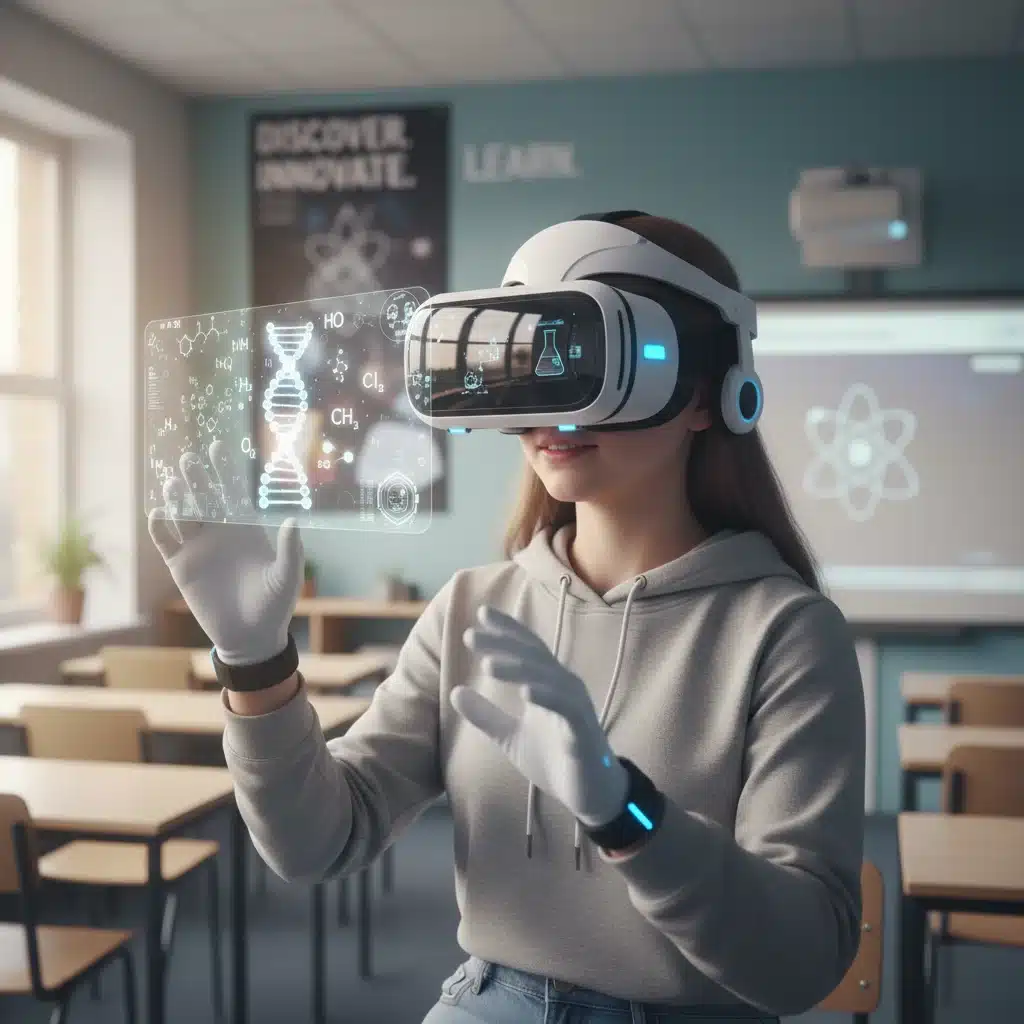
The days of static textbooks and passive lectures are slowly fading. By 2026, Virtual Reality (VR) and Augmented Reality (AR) are set to revolutionize how students interact with learning content, transforming abstract concepts into tangible, immersive experiences. These technologies bridge the gap between theoretical knowledge and practical application, making learning more engaging and memorable.
Applications of VR/AR in Education
VR allows students to step into entirely simulated environments, offering experiences that would otherwise be impossible or impractical. Imagine:
- Virtual Field Trips: Exploring ancient Roman cities, walking on the moon, or dissecting a frog without leaving the classroom. VR can transport students to any location or time, providing rich contextual learning.
- Science Simulations: Conducting dangerous chemical experiments safely in a virtual lab, or visualizing complex biological processes in 3D. This hands-on experience enhances comprehension and retention.
- Historical Recreations: Witnessing historical events unfold from a first-person perspective, fostering a deeper emotional connection and understanding of the past.
AR, on the other hand, overlays digital information onto the real world. Using tablets or smartphones, students can:
- Interactive Textbooks: Pointing a device at a page to see 3D models pop out, watch explanatory videos, or access additional resources.
- Anatomy Lessons: Superimposing anatomical structures onto a human body model, allowing for interactive exploration.
- Engineering and Design: Visualizing architectural designs or mechanical components in a real-world setting before physical construction.
Impact on Engagement and Retention
The immersive nature of VR/AR significantly boosts student engagement. When learning becomes an experience rather than just information absorption, students are more motivated and retain knowledge more effectively. These technologies cater to different learning styles, particularly kinesthetic and visual learners, by providing multi-sensory input. The ability to manipulate virtual objects and interact with digital environments promotes active learning and problem-solving skills.
Considerations for Implementation
The widespread adoption of VR/AR requires investment in hardware, robust network infrastructure, and the development of quality educational content. Teacher training is crucial to effectively integrate these tools into the curriculum and design engaging learning activities. As costs decrease and content libraries grow, VR/AR will become increasingly accessible, transforming classrooms into dynamic learning hubs.
Data-Driven Instruction and Learning Analytics
The digital age produces an unprecedented amount of data, and education is beginning to harness its power. By 2026, data-driven instruction and learning analytics will be indispensable tools for US educators, enabling them to make more informed decisions about teaching strategies, curriculum design, and student support. This trend involves collecting, analyzing, and interpreting data related to student performance, engagement, and learning behaviors.
Leveraging Data for Better Outcomes
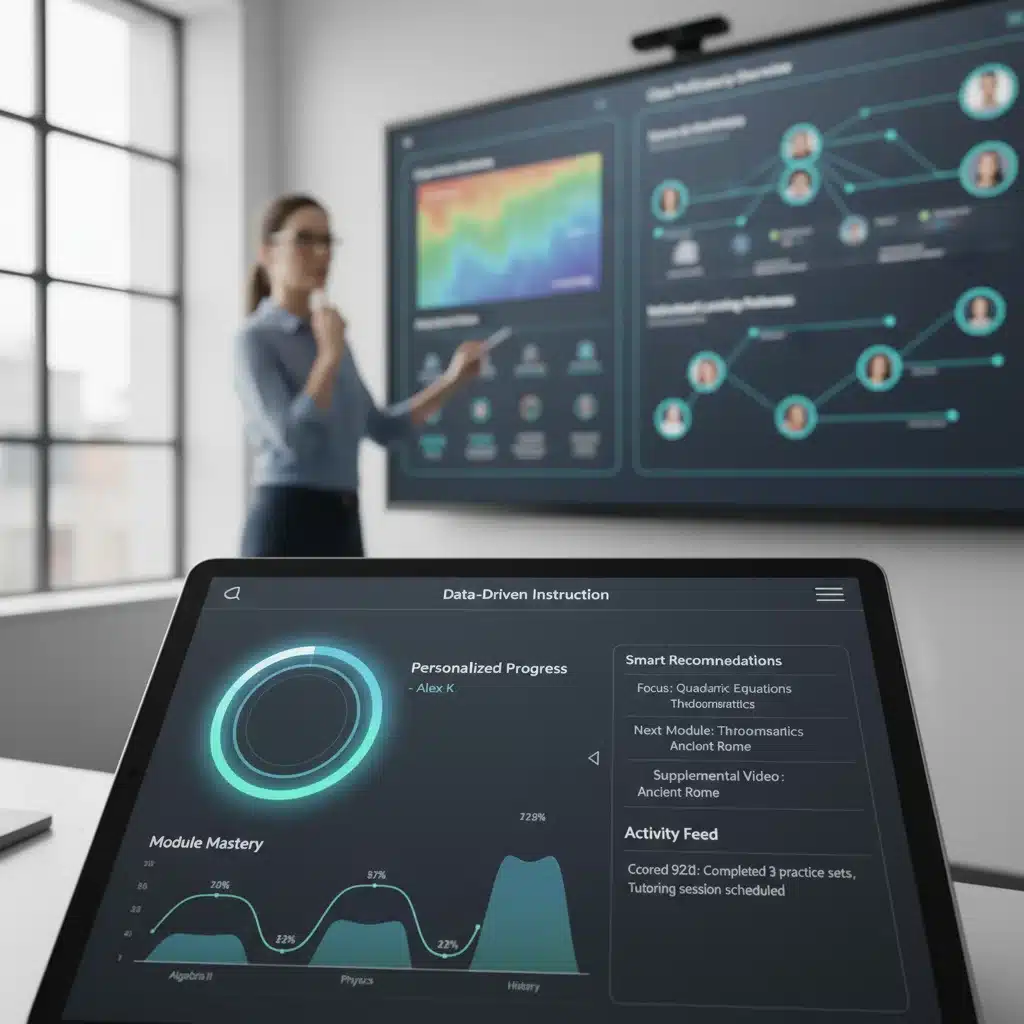
- Real-time Performance Monitoring: Learning management systems (LMS) and educational apps already collect data on student progress. Advanced analytics will provide educators with real-time dashboards, highlighting individual student performance, common misconceptions, and areas where the class as a whole might be struggling.
- Personalized Feedback: Beyond grades, data analytics can provide granular insights into why a student is struggling, enabling teachers to offer highly specific and actionable feedback. For instance, it can identify if a student consistently misunderstands a particular concept or struggles with a specific type of problem.
- Curriculum Optimization: By analyzing aggregated data across many students, educators and curriculum developers can identify which teaching methods are most effective, which materials resonate best, and which parts of the curriculum need revision. This leads to continuous improvement in educational practices.
- Early Warning Systems: As mentioned with AI, learning analytics can serve as an early warning system, flagging students who are disengaging, showing declining performance, or exhibiting unusual learning patterns. This allows for timely interventions, preventing academic failure or dropout.
- Teacher Professional Development: Data can also inform professional development initiatives by identifying areas where teachers might need additional training or support in implementing new strategies.
Ethical Data Use and Teacher Empowerment
The ethical use of student data is paramount. Privacy concerns, data security, and ensuring data is used to empower rather than penalize students are critical considerations. Teachers will need training not only on how to interpret data but also on how to translate insights into effective instructional strategies. The goal is to equip educators with powerful tools that enhance their professional judgment, allowing them to be more effective and responsive to their students’ diverse needs.
Collaborative Learning Platforms and Digital Citizenship
In an increasingly interconnected world, collaboration is a vital skill. By 2026, online collaborative learning platforms will be central to US education, fostering teamwork, communication, and critical thinking. Alongside this, the emphasis on digital citizenship will grow exponentially, preparing students to navigate the complexities of the digital world responsibly and ethically.
Enhancing Collaboration and Communication
- Virtual Classrooms and Project Spaces: Platforms like Google Classroom, Microsoft Teams for Education, and specialized collaborative tools will offer rich environments for group projects, peer feedback, and shared document creation. Students can work together on assignments in real-time, regardless of their physical location.
- Global Collaboration: Technology enables students to collaborate with peers from different schools, states, or even countries. This fosters cross-cultural understanding, broadens perspectives, and exposes students to diverse viewpoints, preparing them for a globalized workforce.
- Interactive Whiteboards and Video Conferencing: These tools facilitate dynamic discussions, presentations, and problem-solving sessions, making remote or hybrid learning as interactive as in-person instruction.
- Skill Development: Collaborative platforms naturally cultivate essential 21st-century skills such as communication, negotiation, compromise, and shared responsibility.
The Imperative of Digital Citizenship
As students spend more time online, teaching digital citizenship becomes non-negotiable. This encompasses a range of skills and responsibilities:
- Online Safety and Privacy: Understanding how to protect personal information, recognize phishing scams, and navigate cybersecurity threats.
- Digital Etiquette and Communication: Learning appropriate online behavior, respectful communication, and understanding the permanence of digital footprints.
- Media Literacy and Critical Thinking: Developing the ability to evaluate information sources, identify misinformation, and think critically about online content.
- Copyright and Intellectual Property: Understanding the legal and ethical implications of using online resources and respecting creators’ rights.
- Digital Wellness: Promoting healthy screen time habits and recognizing the impact of technology on mental and physical well-being.
Integrating digital citizenship into the curriculum is crucial to ensure students are not just consumers of technology but responsible, ethical, and informed digital citizens. This trend emphasizes the holistic development of students, preparing them not only for academic success but also for responsible participation in a digital society.
The Rise of Micro-credentials and Competency-Based Learning
The traditional model of education, often focused on seat time and broad degrees, is being challenged by a growing demand for flexible, skills-based learning. By 2026, micro-credentials and competency-based learning (CBL) will gain significant traction in US education, offering more agile and relevant pathways for skill acquisition and career readiness.
What are Micro-credentials?
Micro-credentials are verified certifications of specific skills or competencies. Unlike a traditional degree, which covers a broad range of subjects, a micro-credential validates mastery of a particular, often in-demand, skill. These can range from proficiency in a specific software program to advanced data analysis techniques or even soft skills like leadership and critical thinking.
- Flexibility: Students can earn micro-credentials at their own pace, focusing on skills directly relevant to their academic or career goals. This makes learning more accessible and adaptable.
- Stackability: Multiple micro-credentials can be ‘stacked’ together to form a larger qualification or even contribute towards a degree, offering flexible pathways to higher education and employment.
- Relevance: Micro-credentials are often developed in collaboration with industry, ensuring that the skills learned are directly aligned with workforce needs, making graduates more employable.
- Continuous Learning: They support lifelong learning by allowing professionals to quickly acquire new skills to adapt to changing job markets without committing to a full degree program.
Competency-Based Learning (CBL)
CBL emphasizes the demonstration of mastery over learning objectives rather than simply progressing through a curriculum based on time. Students advance once they have proven their proficiency in a given skill or concept, regardless of how long it took them to achieve it.
- Individualized Pace: CBL allows students to move through material at their own pace, ensuring deep understanding before progressing. This benefits both fast learners and those who need more time.
- Clear Learning Outcomes: The focus is on clearly defined competencies, making learning goals transparent and measurable.
- Student Ownership: Students take greater ownership of their learning journey, understanding what skills they need to acquire and how to demonstrate mastery.
- Direct Application: CBL often integrates real-world projects and assessments, ensuring that students can apply their knowledge and skills effectively.
Implications for the Future of Education and Workforce
This trend signifies a shift towards an education system that is more responsive to individual needs and the demands of the modern workforce. For US students, it means more transparent pathways to career success and the ability to continuously reskill and upskill. For educators, it requires a shift in pedagogy towards facilitating mastery and assessing competencies. For institutions, it opens avenues for offering more flexible and targeted educational programs that appeal to a broader range of learners, from high school students exploring career paths to adult learners seeking professional advancement.
Conclusion: Navigating the Future of US Education with EdTech Trends 2026
The educational landscape of the United States is on the cusp of an exciting and transformative era. The five EdTech Trends 2026 discussed – the AI revolution in personalized learning, immersive experiences with VR/AR, data-driven instruction, collaborative learning platforms with an emphasis on digital citizenship, and the rise of micro-credentials and competency-based learning – are not isolated phenomena. Instead, they are interconnected forces that collectively promise to create a more dynamic, effective, and equitable learning environment for every student.
As we move towards 2026, the successful integration of these technologies will require a concerted effort from all stakeholders: policymakers must create supportive frameworks; administrators must invest in infrastructure and professional development; educators must embrace new pedagogical approaches; and students must be empowered to leverage these tools for their own learning. The future of US education is bright, characterized by innovation, personalization, and a relentless pursuit of excellence. By understanding and strategically adopting these EdTech trends, we can ensure that the next generation of American students is well-equipped to thrive in an increasingly complex and technologically advanced world.
The journey ahead involves not just adopting new gadgets but fundamentally rethinking the purpose and practice of education. It is about fostering critical thinking, creativity, collaboration, and communication – skills that are amplified by these technologies. The proactive engagement with these EdTech Trends 2026 will not only prepare students for future challenges but also empower them to become lifelong learners and innovators, shaping a better future for themselves and society.